DH101

Introduction to Digital Humanities

Author: FrancescaAlbrezzi (page 32 of 38)

UCLA’s Historic Photographs


Screen Shot 2015-10-12 at 10.56.39 AM

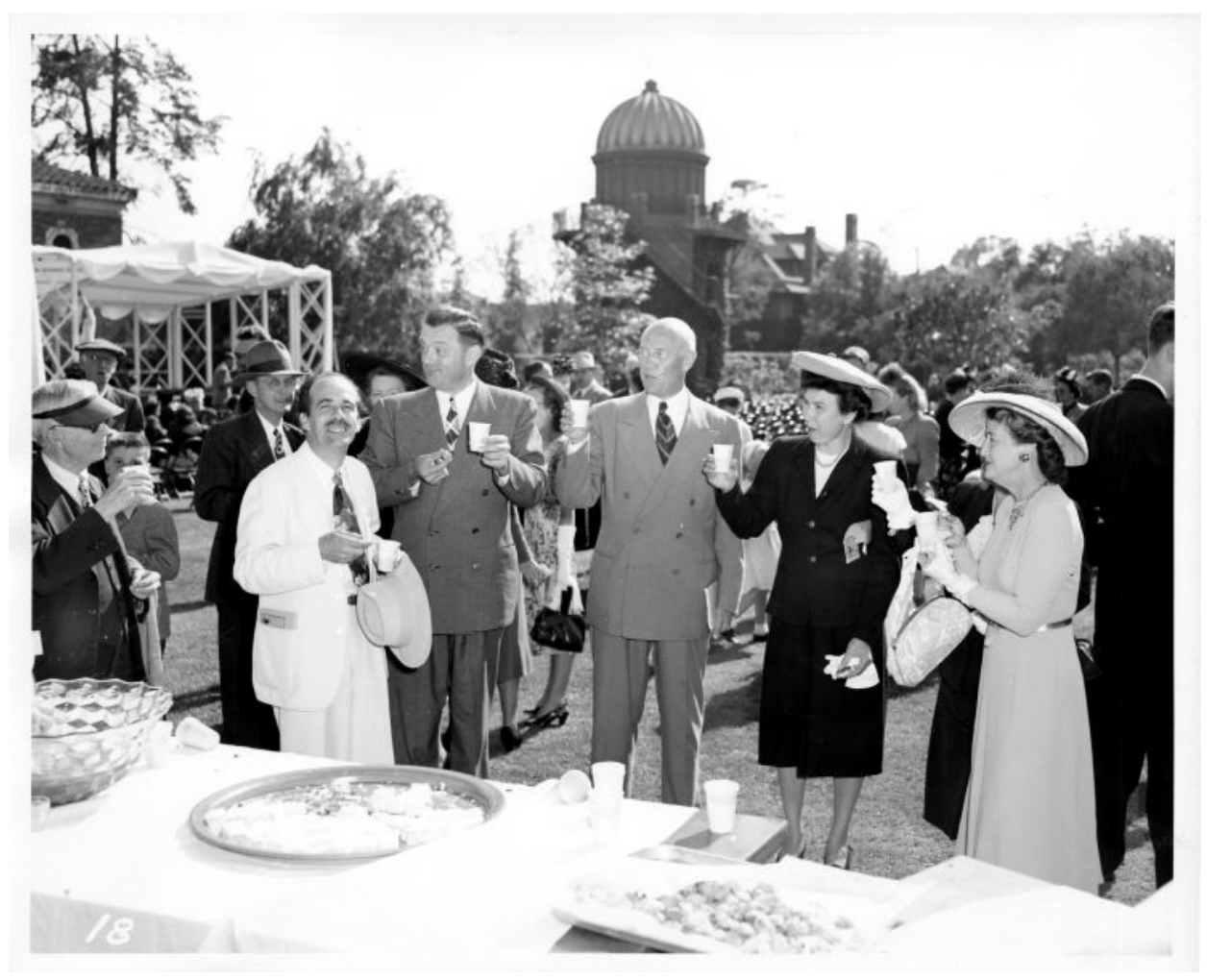
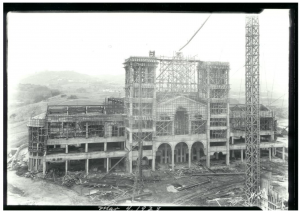
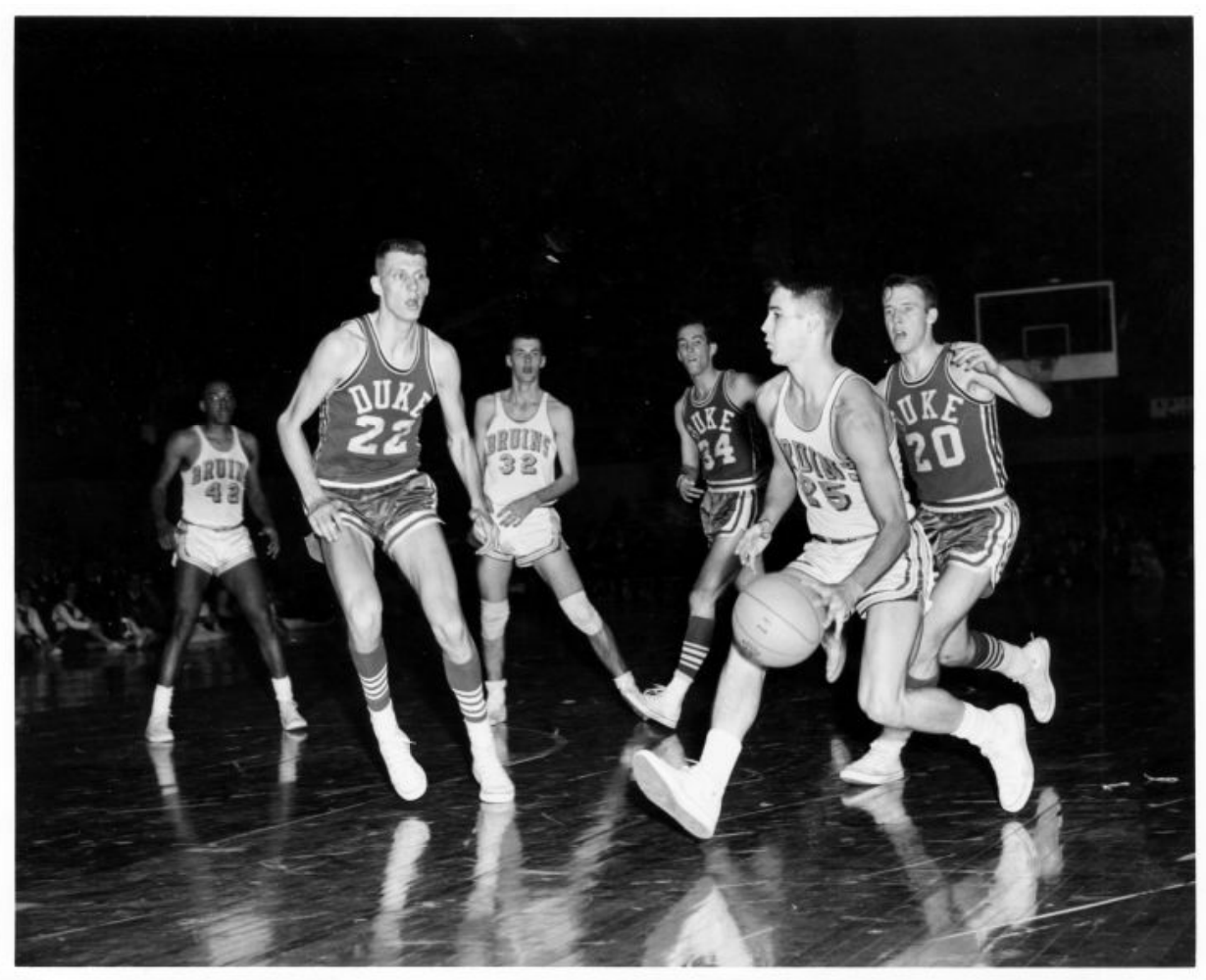
The digital archive from the repository library online that I chose to immerse myself into was the UCLA Historic Photographs. This photographic series shows UCLA through the years. The photos show UCLA’s experiences through construction projects, historical events, and daily life photos throughout the years (images below).
Screen Shot 2015-10-12 at 11.12.34 AM Screen Shot 2015-10-12 at 11.05.02 AM Screen Shot 2015-10-12 at 11.11.16 AM

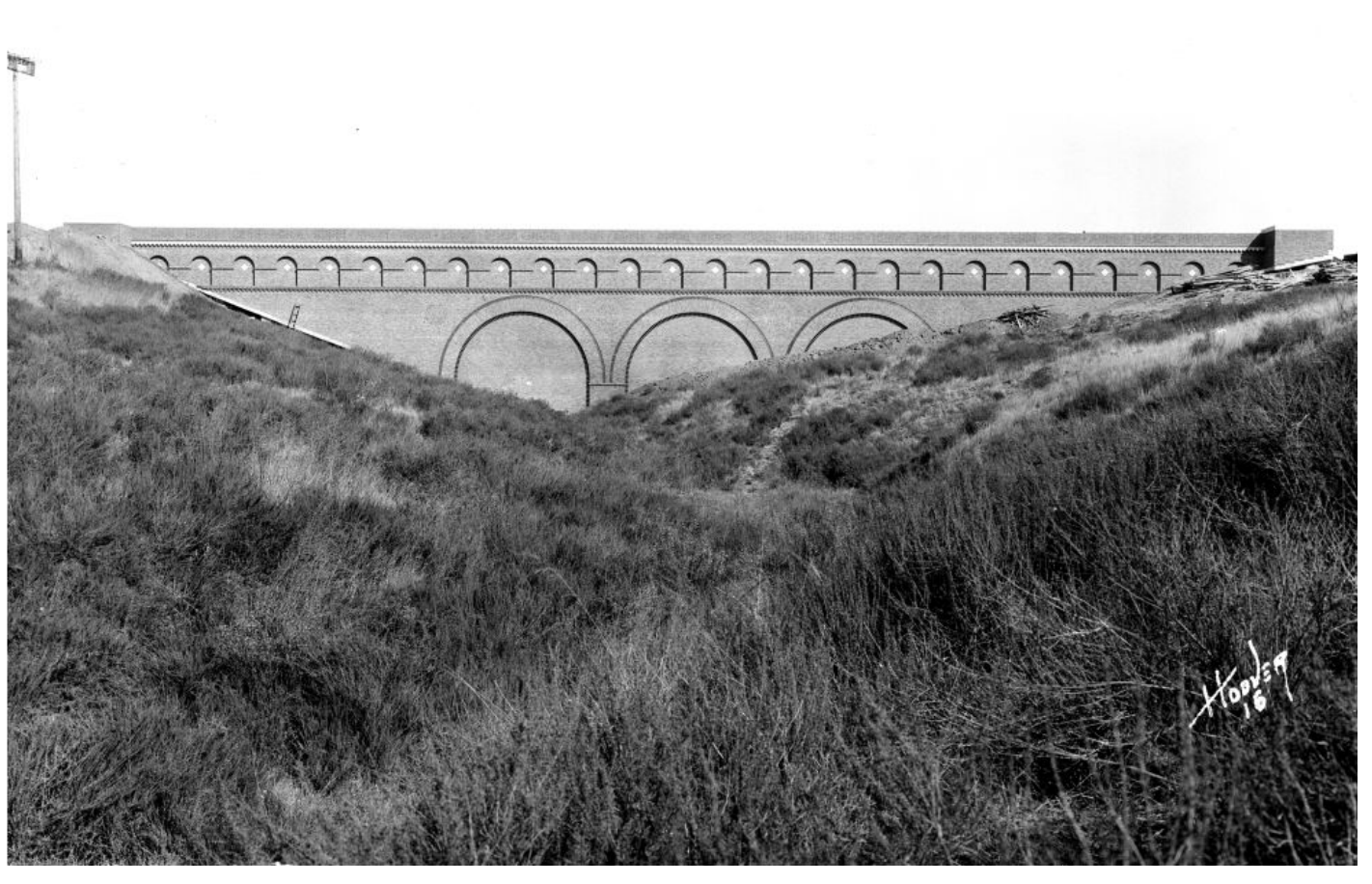
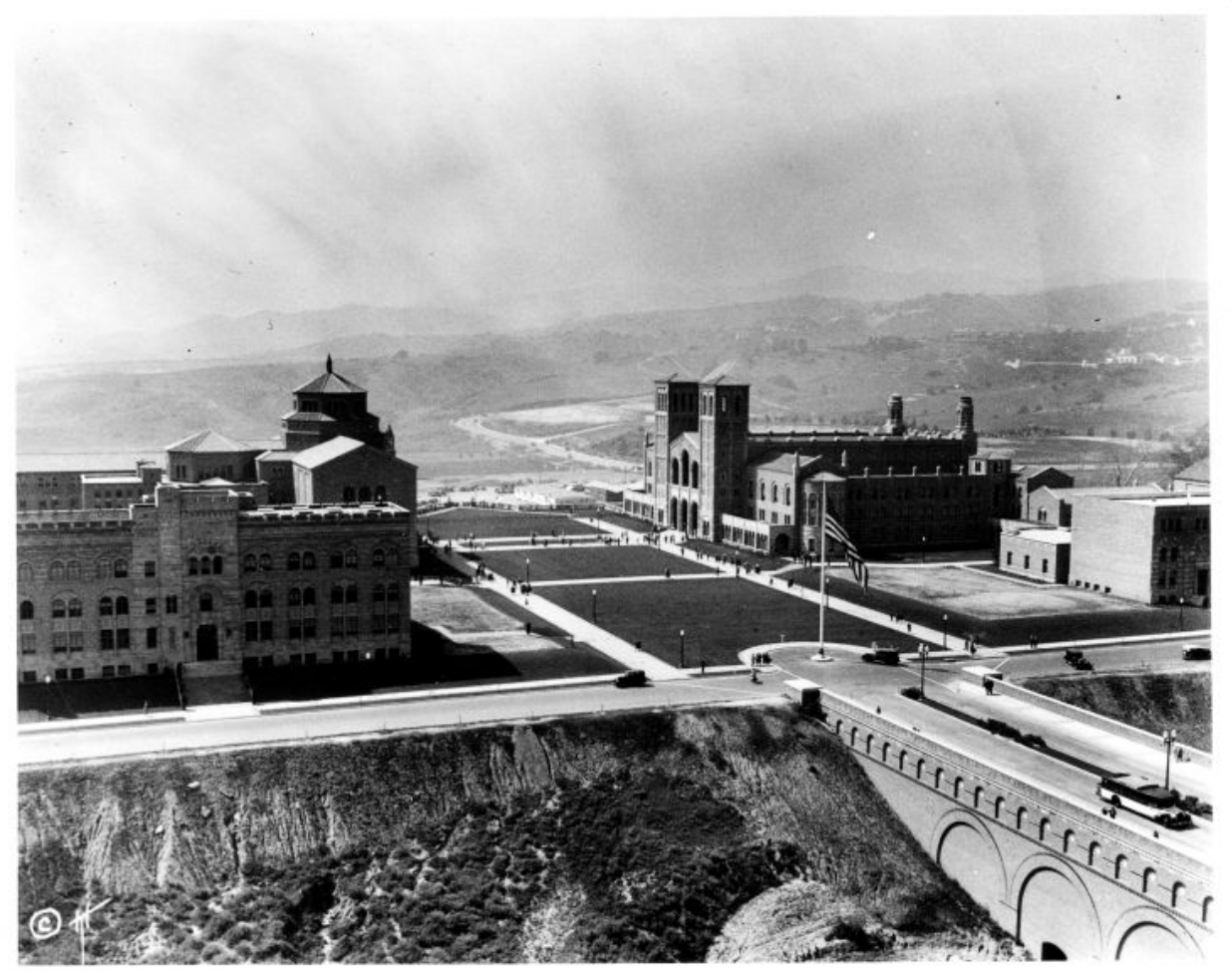
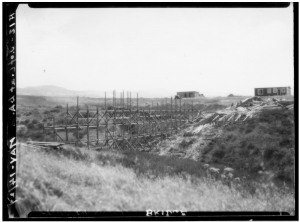
If I were asked to write a paper based on this archive, I would be able to tell the story of UCLA. I think that these photos are able to explain certain parts of UCLA’s history in a way that you can’t understand by simply taking a tour at school. For example, when one decides to take a UCLA tour, a lot of tour guides talk about the famous bridge from the late 1920’s. This bridge led to the plaza where we now find Royce Hall, Haines, Humanities, and Powell library. However, this archive allows you to explore this historical and architectural event by not only looking at the photos of the bridge, but also seeing the pictures of what it took to plant it, build it, and the look it gave to UCLA at that time (images below).

Screen Shot 2015-10-12 at 11.21.33 AMScreen Shot 2015-10-12 at 11.19.17 AM


Screen Shot 2015-10-12 at 11.19.44 AM  Screen Shot 2015-10-12 at 11.22.25 AM


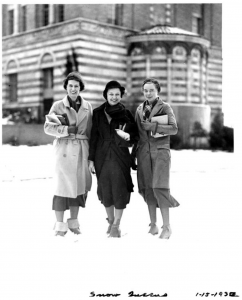
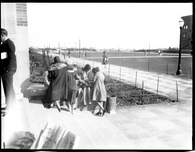
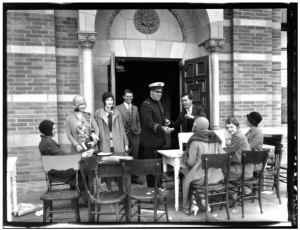
Another story that can be told through this series of photos is the daily life of the students and how they connect to nowadays. Below, we can see images associated with students receiving their student ID’s, a commencement ceremony, a sorority group, and three female friends skipping class to admire the unexpected snowfall.
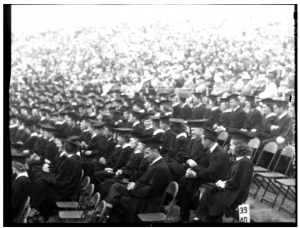
 

Screen Shot 2015-10-12 at 11.27.10 AMScreen Shot 2015-10-12 at 11.27.50 AM


Screen Shot 2015-10-12 at 11.28.36 AMScreen Shot 2015-10-12 at 11.29.05 AM


I thought that these photos were very powerful in evoking the feeling of the stories that really mattered at UCLA. These photos show that although UCLA has gone through many changes over the years, it is still a symbol of higher education with a sense of home and family. When one goes through this series, one comes to embrace and fall more in love with UCLA and acquires a sense of pride to be a part of a chapter that will too leave many memories behind. It also allows one to feel as if though UCLA will never forget one’s footprint that we all leave at UCLA. As a senior graduating in few months, these feelings and thoughts linger in my head and create a sense of never-ending belonging to UCLA. These are the kind of memories and stories that one is able to acquire through these photos.

The only thing that I felt this series lacked was that it was actually small. I feel that there were many events that weren’t added on here. For example, on April 27, 1965, Martin Luther King Jr. gave speech at UCLA. This event was documented through photographs, however it wasn’t added to this collection. It may be argued that it is because it is focused on a certain timeframe; however, this series of UCLA Historic photos contains photos up to the 1970’s. The best way to remedy this is by going back and creating an enhanced timeline of events, collect photos from other libraries, within and outside of UCLA, or even people with photos which they own. The more research that is done to this project, the more events and photographs it will have and actually be complete. I think that a photo series like this is important because as we immerse our lives with technology more and more, these digital projects are nowadays the photo albums that future generations will utilize to look back in history with. It is no longer the case where these photos can only be admired through a physical album book; it is now a digital archive that can be viewed by future students and UCLA members or spectators.

-Karla Contreras
Blog 2 – The Los Angeles Times Collection

The repository I chose was the  The Los Angeles Times Image Collection.  The Collection can be viewed by a variety of tags in relation to different aspects of the photo.  You can browse by coverage, language, name, publisher, subject, and type.  Upon entering the page you can browse the images  through a beta image viewer which lists the photos alphabetically, and enables you to click on the letter which resonates with the first letter of the name of the photo.

The collection consists of photonegative following individuals and stories in Southern California form 1917- 1932 which are glass negatives, 1925-45 nitrate negatives, and  1935-1990 which are categorized as safety negatives  These prints includes mainly Los Angeles related stories but can also focus on stories in San Diego and Orange County.  These images are still life photos and include 11,569 items within the repository itself.

When looking at the archive it is easy to look up photos based on name and type, however there is no category for date in which too look and search for a particular date and time.  Dates are important for research based projects.  Instead of sifting through over 11,000 + photos, it would be beneficial to the maker of the archive to add in a tag based on a particular date range.  Throughout the earl 20th century, many controversial topics took place, and while you can search by Topic having date is important.  I think it is also noteworthy for this particular repository to include visual links, for a visual and virtual timeline, that way you can understand the progression of photos and events falling one after another over time.

The variety of topics associated with this collection ranges from abortion to floats within the Rose Parade in Pasadena each year.  The amount of research projects that can stem from these photos is vast, however the content given is specific in that Los Angeles  and New York could be compared quite simple if there was to have another repository which documented the same situations going on in New York as in Los Angeles.

This Repository is helpful in establishing a visual connection with an academic conversation. For example, the study of abortion and right to life can be documented through visual marches, and women holding signs and protesting.  The connection with the visual and conversation is important for fully understanding a piece of work, and I believe this repository contributes to that conversation.

I do, however, have to say that the way in which to search photos is not simple for the occasional browser. I found it frustrating trying to navigate from photo to photo away from the original home page.  With a little bit of work this site can be much more navigable to the public and scholars.

UCLA Library’s Center for Oral History Research

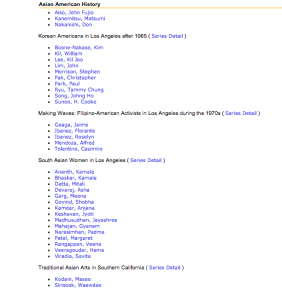
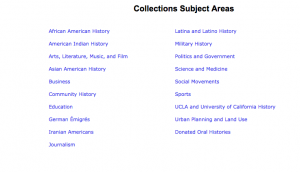
The UCLA Library’s Center for Oral History Research collects oral histories through interviews in order to document the history of Souther California and the Los Angeles metropolitan area. The online database provides over 1,400 transcripts of interviews and many audio recordings of interviews, which are searchable through subject area, interviewee, or transcripts. The website also contains information and resources about interview guidelines and content, other oral history archives and programs, and their bibliography. I think this database would be an excellent source for writing a research paper about broad topics such as the history of Los Angeles, and methodologies for collecting oral histories, as well as more specific topics such as, “Filipino-American Activists in Los Angeles during the 1970s.” Through an oral history, one is able to learn a lot about personal relationships to, and experiences of spaces, events, eras,  people, and more. In comparing diverse and similar oral histories, one can also learn a lot about the differences and similarities people have to spaces, events, eras,  people, etc.  The wide range of oral history subject areas on the database:

Screen Shot 2015-10-12 at 9.10.55 AM

and more specific categories within these subject areas:

Screen Shot 2015-10-12 at 9.18.06 AM

provide an immense amount of information that would be very valuable for humanities research papers.  However, this database lacks a lot of visual data that could provide a lot more information for a researcher. Visual data could be addd to the site in many ways. For example, there could be more photographs that accompanied the oral histories. These photographs could include personal photographs from the interviewees that illustrate various geographic locations, people, events, etc. discussed in their interviews, as well as photographs of the interviewee. Photographs of important memorabilia and objects relating to the interviews could also provide more information. Adding video recordings of oral histories could also provide the researcher with more information that one could not get from transcripts or audio recordings, such as body language. Including different types of maps on the site would also provide more information. Maps could show a multiplicity of important geographic information about various locations, people, and events discussed in interviews. They could also provide information about how oral histories on the site, and in similar subject areas relate to one another. Data visuals of social networks and family trees discussed in interviews could also be helpful. A visual timeline of significant events in the Los Angeles area, U.S., and world could also help the researcher to situate oral histories in a broader socio-political context.


Week 2: Adams (Peggy H.) Papers

Adams (Peggy H.) Papers

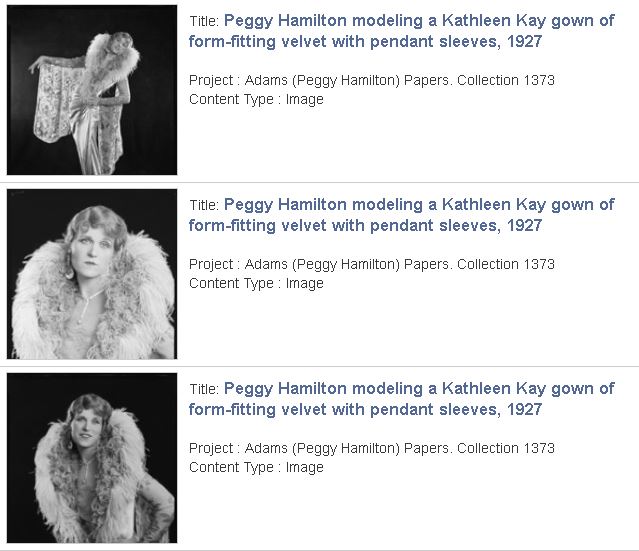
The Adams (Peggy H.) Papers highlights the fashion trend of the  early1930s. Peggy Hamilton Adams worked from 1921-1934 for the Los Angeles Times as the editor of the rotogravure fashion page. The album is a compilation of models, including herself, wearing the latest fashion items, hairstyles, and outfit drawing.

Peggy Adams

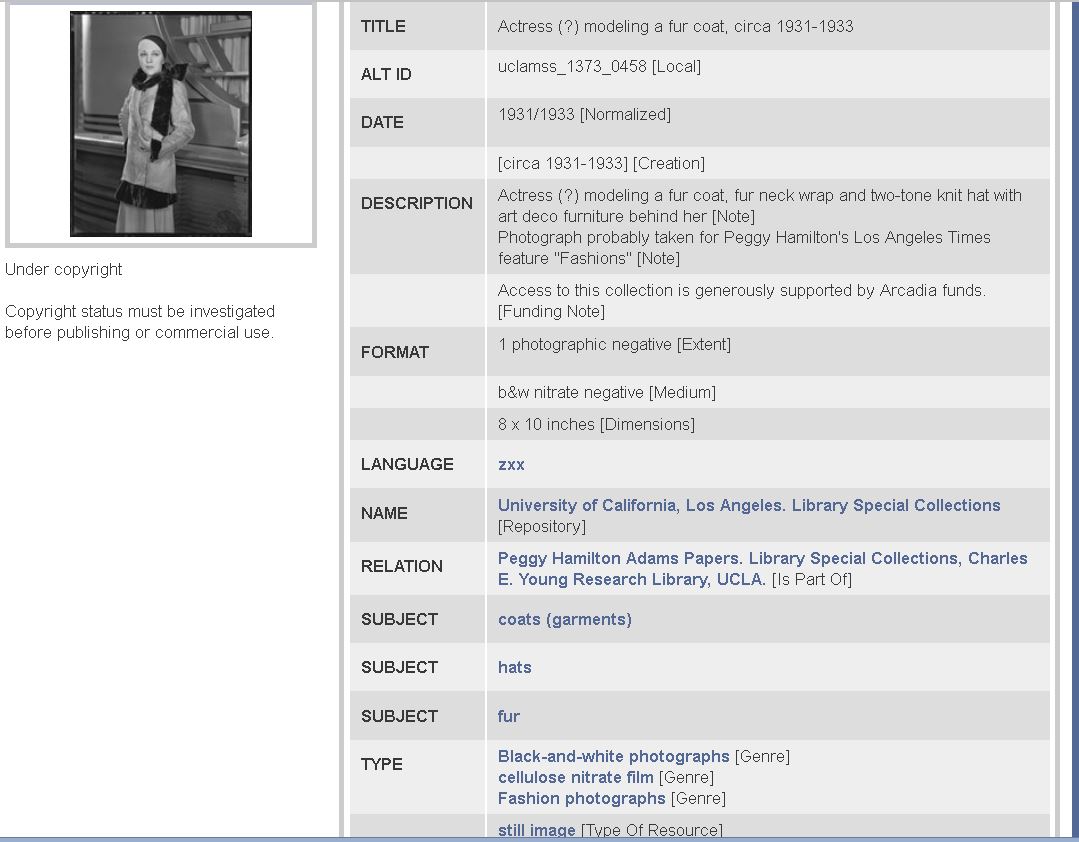
The album includes the title of the photo, the date, a little description, the format of the photo, Language, Name, Relation, Subject, and type. The data allows the user to narrow down the search and makes it possible for one to study fashion from one year or type of photo.

peggy adams 2

The given information helps the viewer gets the sense that early 1930 fashion for ladies consisted of fur coats, weavy hair, and long dresses. All the models are white females, which points to the cultural identity of America. Peggy Hamilton adds a unique set of photos with theatrical poses and facial expressions which really indicates her passion for fashion. The numerous photos of her gives the impression that she likes modeling and showcasing her fashion sense. peggy adams 3

However, viewers do not know why these outfits were picked and what inspiration they came from. The fashion style is consistent through the album, focusing on fur, high collars, and floor length dresses. This seems to be fashion for middle class white ladies, and it does not show other types of clothing.


UCLA Library’s digital collection of AIDS posters

Screen Shot 2015-10-12 at 8.48.34 AM


The UCLA Library’s digital collection of AIDS posters gives us an understanding of the international response to the AIDS crisis. Through this database we are able to construct how different countries educated people about AIDS and constructed campaigns on how to promote safe sex. We can also see the tactics used to reach out to different groups of people and how to change the stigma attached to the disease. For example, there is a poster geared towards black families urging them to take pride in getting tested and educate themselves about the disease.

Screen Shot 2015-10-12 at 9.32.23 AM

Some posters are vague and simply have a slogan to promote protection, others give a lot of information. Posters also educate people on how the virus is spread, advising to stop share needles. Each poster gives us a description of the poster and the country it is from, in addition, some posters have the event the poster was created for. This archive also shows us the different marketing techniques used throughout history, as well as which countries allowed more provocative imagery. We can see the different tactics used in combating AIDS, some posters use scare tactics and other s use a positive, educational strategies. From this we can start to gather which countries and organizations stigmatized the virus and which took a more informative progressive approach.

What this database does not allow us to see is the response to these AIDS posters. Were the campaigns successful? We have no idea how many people the posters reached or where they were posted. It would be nice if they incorporated personal stories or info about the organizations that created the password. It would be interesting to see if there was any pushback or regulation regarding the production and distribution of these posters. While you can browse by a variety of different filters, coverage only shows you the country the poster is from. It would be helpful to see that countries stance on AIDS, how many people were infected, and how they dealt with the virus. It would also be helpful if the database showed what the statistics were for condom use or the shift is instances of AIDS that correspond with the different campaigns. I think that an interactive map as well as a timeline would be helpful in gleaning a clear view of how many posters were being produced at the time and how the graphics and information changed over time. In addition, input from the organizations that made the posters or people who interacted with the posters.

A Digital Repository of S. Charles Lee’s Architecture

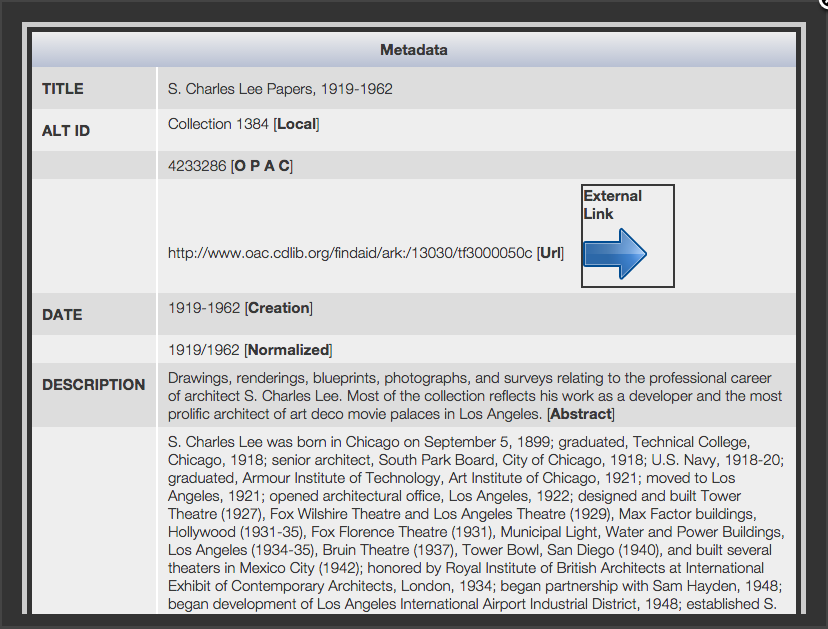
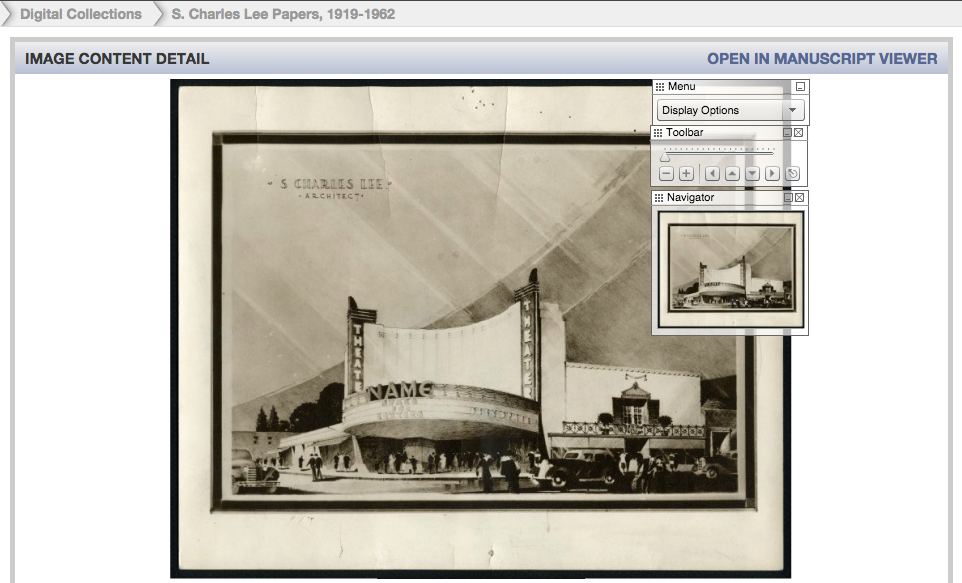
The S. Charles Lee Papers is a repository of sources and information revolving around the work and career of renowned architect, S. Charles Lee. Lee became known as one of the most successful architects of Art Deco theatres on the West Coast. Some of his most recognizable developments include the Bruin Theatre in Westwood and the Los Angeles Theatre. Included in this digital warehouse are a multitude of drawings, renderings, blueprints, surveys, and photographs of Lee’s projects from the years 1919 through 1962.

Screen Shot 2015-10-11 at 10.02.13 PM

When first arriving to the site, the user can see that the records in this collection are categorized alphabetically by default. Scrolling down the page, the user can see the title, content type, and a thumbnail of the specific image of the S. Charles Lee project in question. Over on the left-hand side of the page, there is a panel that gives the option to browse the collection through different filters (such as AltTitle, Subject, Type, etc.), as well as to search the collection if the user is looking for something in particular. There is also a link entitled “View Collection Record,” which takes you to the metadata of this particular collection within the UCLA Library of Digital Collections. Included within said metadata is a short description of the collection and a brief biographical paragraph of S. Charles Lee’s education and work.

Screen Shot 2015-10-12 at 12.05.06 AM

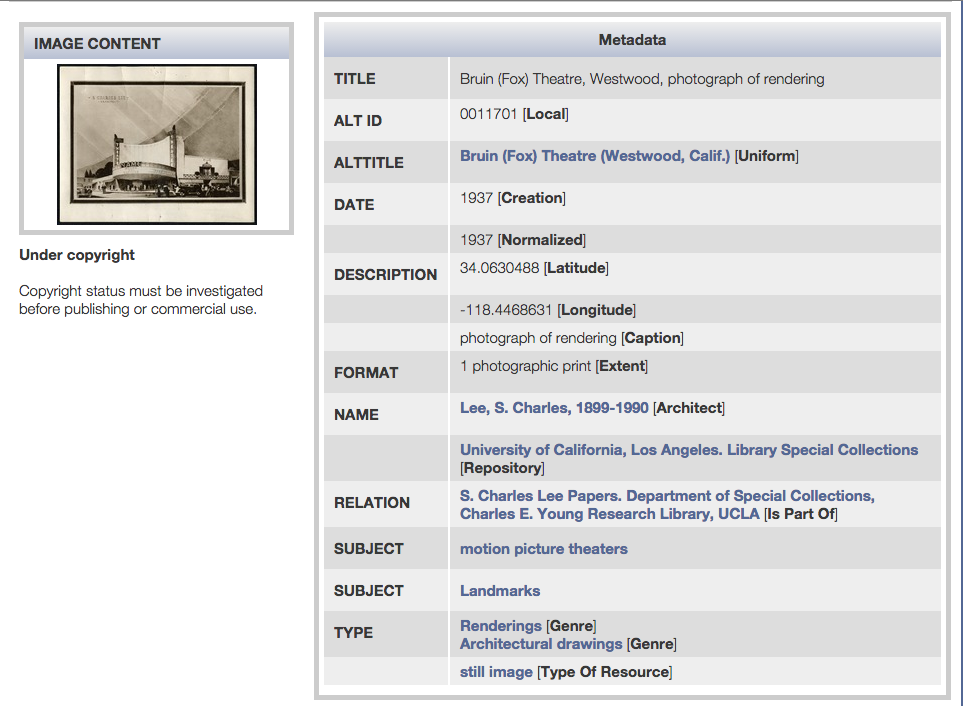
Clicking on the link to a specific piece of content within the collection, you are directed to a larger view of the image. There is a small pop-up menu that offers display options for the image, as well as an option to open the image in a manuscript viewer. You are also given the metadata to the specific image/content, including information on its date, description, format, etc.

Screen Shot 2015-10-12 at 1.05.12 AM


Screen Shot 2015-10-12 at 1.05.27 AM

If I were to write a paper based on this archive, I would be able to describe the technical process of how these amazing buildings came to be, from the blueprints drawn by S. Charles Lee, himself, to their actual development and structure when finally completed. I would also be able to tell stories of the lasting impact of these feats of architecture, as well as S. Charles Lee’s contribution to the world of Art Deco and entertainment that we know today.

What I would not be able to tell based on this archive, however, is more of the inspiration behind the buildings and how/why S. Charles Lee designed each building in a particular way. What was the reasoning for having the FOX Theater have a point at the top of the building with illuminating letters? Why did he choose those colors for the carpet or that particular material to build the staircase? From this repository, I do not get much of the meaning behind S. Charles Lee’s famous architectural designs and why they continue to be significant. To remedy this, I would have to do some more research on these buildings and S. Charles Lee himself. Perhaps adding more of a description of these different architectural wonders, (what they were used for, how Lee devised them, the colors/materials used, the significant events that occurred in these theaters, etc.) into the metadata would allow for more context on this collection and clarify the importance of these buildings and this particular architect.

October 12th, Blog #2

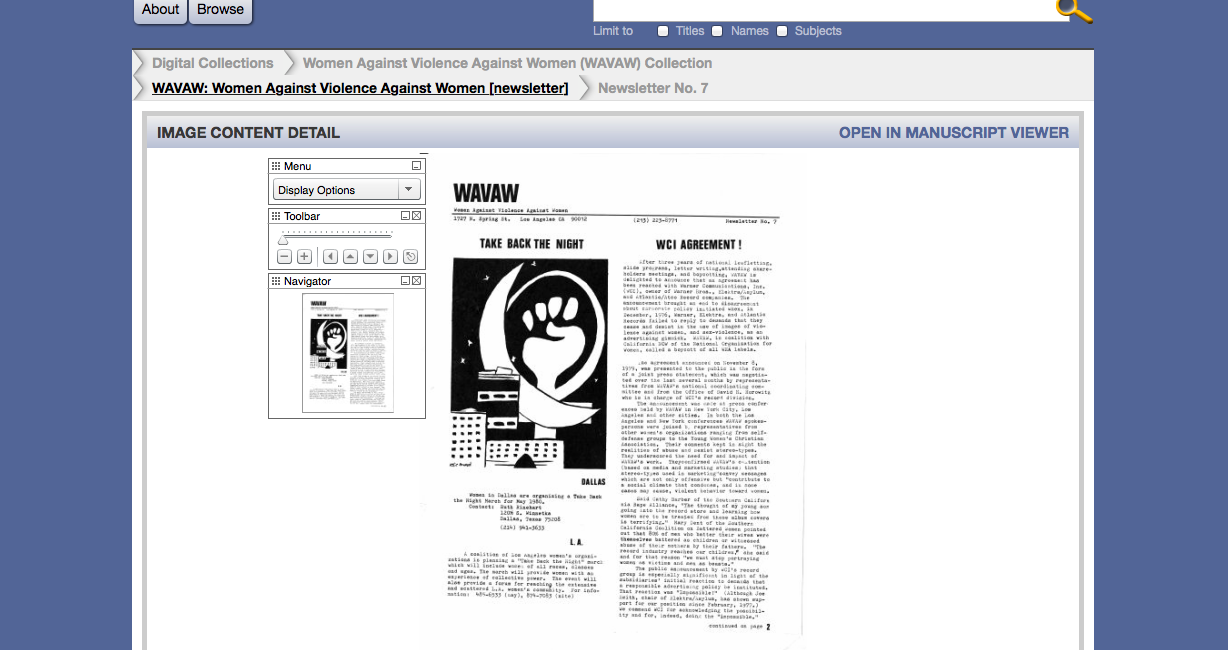
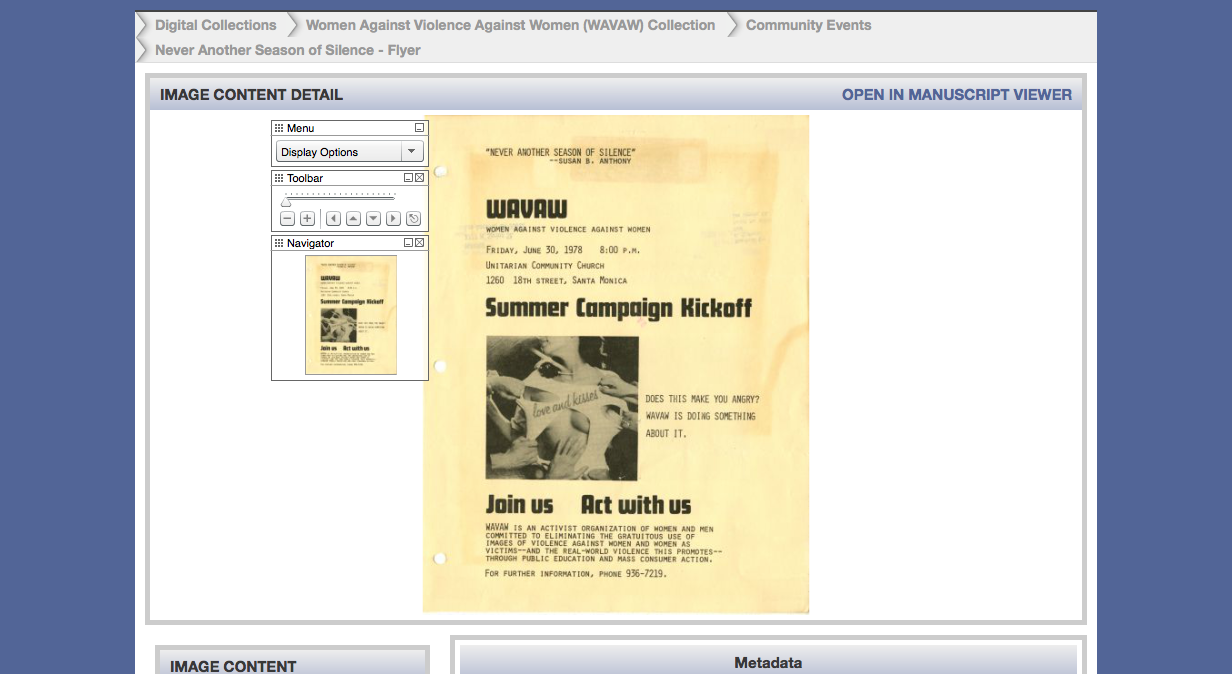
The digital archive that I explored was called ‘Women Against Violence Against Women collection’ that included everything you could imagine about this group of activists. The amount of stories that could be written using this collection would be endless with all of the information provided by this archive. This group first came to be when a film called “Snuff” was released in theaters all around the Los Angeles area. This film included sexual assault, murder and dismemberment of a woman. It was putting out ideas that we’re encouraging reality. Following this the Rolling Stones were promoting their album with a billboard promoting that woman like to be beaten. Both of this were taken down within hours or days. The WAVAW was a non-profit education/action organization that was to eliminate images of violence against women/sex-violence as a promotional technique. In this archive you are able to view images of newsletters that were sent out by this organization, informing the city what they stood for and actions that need to be done.

WAVAW Newsletter

WAVAW Newsletter

There are scripts and letters pertaining to all director and committee meetings they were a part of. Images of the founder documents that included this organizations prevent against the “Snuff” film, The Rolling Stones billboard, and many other documents preventing women’s violence. How their nation structure was trying to be set up. Information of the WEA and WCI boycotts they were involved in. Information like the organization, press releases, fact sheets, and victory campaigns. Other things included were documents and flyers for their advertisement, other campaign documents, community event flyers, and other official conference documents.

Event flyer

Event flyer

Stories could be written using this archive could include the history of the WAVAW, stories about the campaigns they were involved in or also a story of events that included women’s violence that the WAVAW did something about, and help make the change. A story that would not be able to be told by this collection is any specifics pertaining to members of the organization. Something interesting would be if you were about to tell a story about a member from the WAVAW. Including things like their background and upbringing, how they have been personally affect by women’s violence or sexual assault or if they know someone who has. To be able to tell their story about the campaigns they attended or events they were involved in. Getting that personal side of the WAVAW would make for a great story but all the information that was included in the archive is enough to make great stories itself.

Aldous and Laura Huxley (Week 3 Blog Post)

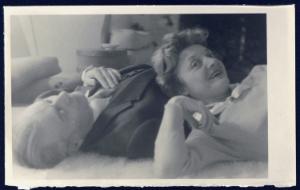
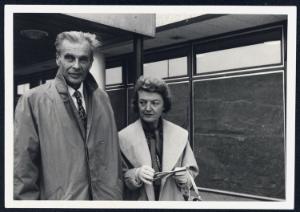
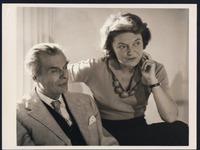
As a fan of Brave New World, I was excited to find UCLA Library’s collection of the Aldous Huxley Papers, which chronicles the influential author’s life through audio recordings, digitized images, videos, and writings.

Aldous and Laura Huxley

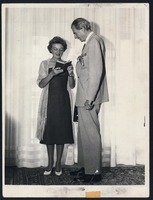
Perusing through the collection, I noticed there is a wealth of photographs and audio clips from Huxley’s second wife, Laura Huxley. Given the time and resources, it would be interesting to piece together their relationship, and how one influenced the other’s intellectual stances and ideas. They are often pictured as a pair–undoubtedly their minds worked together as well to change, build, and mold their ideas.

Aldous and Laura 2

While Aldous Huxley’s name and recognition eclipses his wife’s, her lectures and philosophical musings prove her intellectual prowess as well. Although there is no way to filter the audio clips by date on the archive, it would be interesting to chart the progression and style of Laura’s conversations, ideas, and seminars and compare them to Aldous’. Finding ideas that evolved in both of their minds, whether simultaneously or staggered, could reveal the nature of the intellectual back-and-forth of the couple. Tracing certain themes like drug use, spirituality, or consumerism, from Aldous’ Brave New World, and identifying them in Laura’s works may provide interesting insights as well. Did they agree? Did they disagree? Did they work together? Did they build off one another? All these questions may be answered by following the couple’s discourses, conversations, and publications.

Aldous and Laura 3

I do appreciate how the collection was able to compile photographs from Aldous as a child, to Laura as a young adult, to the pair as an elderly couple. While undoubtedly an incomplete look into their rich lives, it is fascinating to look through these images and imagine what decisions, motivations, and ideas led to each photograph. However, the archive lacks the basic biographical information–the context–to fully craft a narrative about Laura and Aldous’ relationship. While dates and photographs may provide clues into the pair, further details about their lives, publication and speaking history, professional partnerships, and more can provide a more complete picture of their lives.

Aldous and Laura 4

Thankfully, other online resources can remedy this issue. UCLA’s collection provides a very personal and intimate look into Laura and Aldous’ lives. More general resources like scholarly publications, encyclopedias, news archives, and online biographies can complement this archive as the basis for more detailed narratives.

Cashin (Bonnie) Collection archive

cashin

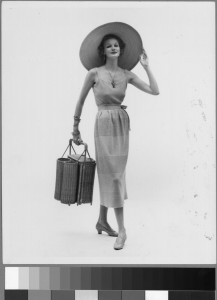
The archive that I selected to take a closer look at was the Cashin (Bonnie) Collection of Fashion, Theater, and Film Costume Design, 1913-2000. I selected this archive because I think that fashion is an art form that is very reflective of what the society that the clothing was popular in valued the most.

The contents of the archive include two different types of items, images and manuscripts. The 21 manuscripts are all press clippings and advertisement of Cashin’s collection from 1937 to 1979. The almost 7,000 images include editorial or runway shots of Cashin’s collection throughout the whole time span. If I were to write a paper on this archive I could break it down and focus on several different topics.

I could just look at the press clippings and see what they have to say about the change in fashion advertising over the 20th century. What does it say about women and about how women should be presented? I could look at the drawn women figures and take out the clothing aspect, or I could just look at the layout, text, and design to see if that points to a change in advertising style.  

I could also just look at the clothing itself. I could observe and possibly create some kind of dataset on different design elements and the year that they occurred in. For example, maybe I could estimate hemlines of skirts based off of all of the images and create a dataset on how those numbers changed throughout the years. Perhaps this dataset would somehow be visualized to suggest something having to do with the American woman and how she views modesty throughout the 20th century.

While this archive has a lot of information to base a potential project off of, it is lacking in any numbers or facts about the target demographic and sales of these products. With more information on the clients of Cashin, we could specify our conclusions to that specific group of people, and not generalize to the entire American female population. Also with sales information, and seeing if the clothing was very popular in certain decades over others could also prevent us from assuming that the clothes tell us something about society.

To remedy the lack of information on sales and the types of people purchasing the clothes, there should be more data. Also with client information, we could get locations of purchases and shipping addresses to possibly map where Cashin’s collection traveled.

Digital Archive: UCLA Historic Photographs

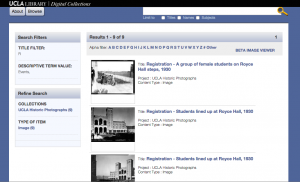
The UCLA library digital collections features historic UCLA photographs taken between 1925 and 1964.  The still images in themselves tell many stories, particularly of UCLA historic events depicting ceremonies, students, alumni, people of note, architectural inspirations, models of the earliest buildings and other artifacts relevant to the history of UCLA.  Many of the photographs were taken by Thelner Hoover, the official photographer of many UCLA publications at the time.   Each photograph’s meta data is visible to the user providing Title, Coverage, Date, Description, Format, Name, Relation, Type and several subject lines allowing multiple categorizations.ucla photographs site


With all this information, a visual narrative can be constructed, as well as other very cool applications that provide historical information on demand.  For example, using object recognition and augmented reality, a mobile application can be developed to provide users with a UCLA tour as they physically walk around the campus.  They could us their phone to discover stories and photographs as the campus looked at different periods of its history.


If I were to write a paper on this archive, I could reconstruct many ceremonial dedications to opening buildings, tradition, ritual and cultural origins like the student registration on the Royce Hall steps dating back to 1930, and many other narratives speaking to UCLA student life.   There are also many other topics of interst such as student diversity over time, fashion over time, gender over time, and many other socio-cultural aspects that the photographs depict.


Screen Shot 2015-10-11 at 11.31.53 PMBecause the archive is about our UCLA campus, many missing information about the photographs can, for the most part, easily be found on campus.  Some other question may not be so easily answered about them.  One example is reasons as to why photographs of certain events and not others were taken and perhaps the stories behind the less notable subjects in the pictures.  The archive does not always provide clues to discerning this information from the pictures or metadata.


Nonetheless, something can be attempted to remedy this.  Although not all the people in the photographs may still be alive or able to recall such details, an attempt to locate them and ask can be made.  Interviews with these persons can provide some information to fill the information gaps and further enrich the context and narratives behind the photographs.


Archiving the official UCLA story tends to position the most distinguished events in the foreground, but discovering the context and narratives behind each would be more honest and interesting.  Culture, gender, ethnic diversity, and other depictions are often times hidden both within and out of frame that could possibly tell a much more compelling story.  What is not seen is often times just as important, if not more important, than what is.  Associating these UCLA historic photographs with U.S. and world history would at the very least provide us with the ethos of the year depicted as in 1941 when the US entered one of the deadliest wars in human history.

Older posts Newer posts

© 2026 DH101

Theme by Anders NorenUp ↑