The Women Against Violence Against Women Collection chronicles the progress of the activist group through documents, newsletters, and various other files. The organization led many campaigns to end violence against women, specifically in the Los Angeles area. They targeted mass media avenues and sought to correct the inhumane representation of violence against women.
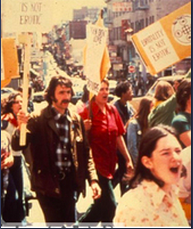
The collection contains documents from several of their successful campaigns, including their involvement in shutting down “Snuff” and the Black and Blue Campaign. Based on this information, I would be able to write about the intensive planning that led to the organization’s take down of these two campaigns. The collection includes documents such as national meeting minutes, press releases, and flyers used in the campaign. Thus, if I were to write a paper, I would be able to reference these sources and create a timeline of how the whole effort to take down “Snuff” and the Black and Blue campaign unraveled.
The narrative would be largely based on the events, in hopes of providing an explanation for how Women Against Violence Against Women chose certain campaigns and certain methods of attack. It would be highly factual, based largely on what the documents say, rather than further analysis of motivation and member sentiments.
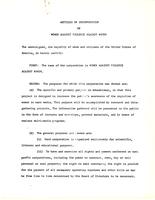
The narrative would be limited by the lack of anecdotal and personal documents in the archive. As stated in the White reading, re-contextualizing history into a narrative can be dangerous and often misleading. Forming a story, or narrative, can reduce authenticity of the transgression of events because often it provides “moralization” for the actions that transpired. If I were to write a story from the collection of documents, I would not feel comfortable infusing the history with analysis because I would not want to sacrifice the integrity of the events. If there were more personal documents included in the collection, I would add more analysis of their intent into the story. However, since this is not included in the collection, I would not include it in the story.
In order to remedy this, I would search for outside sources that do have analysis of the members of the Women Against Violence Against Women group. I would find other archives that contain supplemental documents, such as the experiences of the members during their meetings or the public’s opinion of the group. This would provide an alternative perspective to the factual documents presented in the collection at UCLA. If I found documents that sufficiently described member’s experiences or other citizens’ views of WAVAW’s efforts, then I would include that in the story to create a more well-rounded chronicle of events.