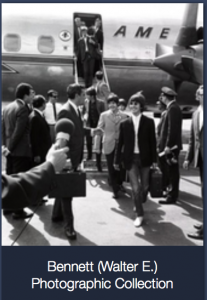
The UCLA Digital Library Program serves as a digital preservation of different images, audio, text and video. In this library, you can access The Bennett Photographic Collection which includes a title, date, format, copyright status, keyword subjects, and type to every photo in the collection. You can browse the photos by name, subject, or repositories making the collection very easy to navigate.
This archive does a great job connecting each photograph to an event, which makes it easy to understand different aspects of the story of an event through photographs. For example, there is a subsection of the collection for all photographs that have to do with abortions in California. This subsection includes photos of murder charges in courtrooms, people dealing with death after an abortion, police investigations, illegal abortion doctors etc. From this collection, I would be able to tell give explicit detail on a specific person’s experiences with abortion in California through a photograph. Just like the cliché, “A picture’s worth a thousand words,” these photographs capture history though facial expression.
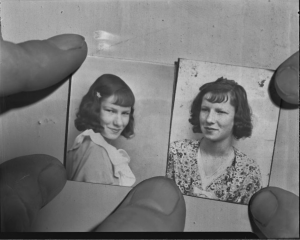
However, even though I can give great detail of specific people and perspectives through the photographs, it is difficult to understand the greater picture of what is going on in a given event by only using The Bennett Photographic Collection as a resource. I wouldn’t be able to tell you statistics about abortion in California like how many abortions took place during a give time, which economic class had the most abortions, laws about abortion, etc. Even with the specific people the photographs capture, the collection doesn’t give a back story to why the person is doing what they are doing in the given photograph. You can research it because the collection gives you names, dates and even related articles, but it is your job to find it.
To tell the best story using The Bennett Photographic Collection, I would research the different subjects photographed with other resources and use the people, places, and events in the photographs as specific details or as a given perspective of the subject I’m researching. Resources like encyclopedias, books, or any text database normally do a great job summerizing concepts yet lack the emotion of someones personal story that make the subject relatable. Combining the basic details needed to tell a story through text research with the emotion of photography shown in The Bennett Photographic Collection gives the tools needed to write something compelling.