While reading I particularly enjoyed the section that focused on parents and their fears of the world children live in today. In the book there were excerpts from parents saying that they don’t let their children out of sight. One interesting statistic that was brought up in the book was also the change in transportation means in how children get to school. What was once the standard of walking or riding a bike to school has not turned into most kids being dropped off and picked up by a care provider. From my understanding of the reading, parents believe the world is a worse and more unsafe place than it was when they were teenagers but the reality is quite the opposite.
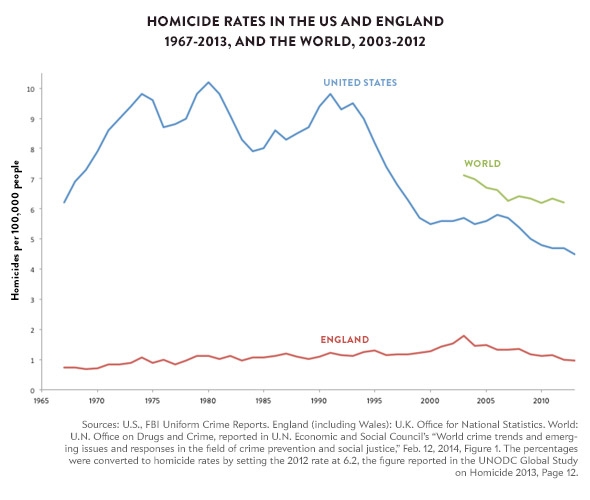
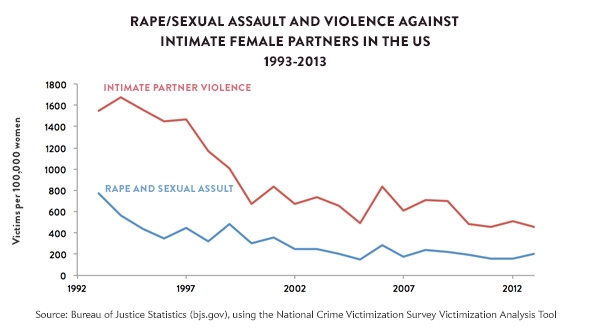

While many parents argue that they go to sometimes extreme measures to keep their children safe, the reality is that we are now living in a more safe world than ever. One of the reasons there is this constant perceived terror that the world is a bad and unsafe place is that our access to information is more than plentiful. With news and media available at our fingerprints we are able to read about what is happening all over the world at any minute. Not only that but our news feeds are updated to the minute as well. Breaking news alerts pop up on my phone moments after an event happens. When I wake up in the morning and turn my phone on my lock screen is filled with news alerts from around the world. We also have to be honest with ourselves though, the majority of the things we see, read, or hear on the news are usually negative events that spark fear, worry, sadness, and even terror. I believe that it is our easy access to news outlets that dominate this popular sentiment that the world is unsafe. Worst of all is that if parents feel this way now, imagine what they are distilling in their children.
I have posted some images in regards to how the world has improved in regards to safety. Though the popular perceived reality is not actually the truth, it is hard for me to imagine parents softening up anytime soon to the idea of their children being more independent about spending time “out of sight”.
I think you brought up a very important point in Boyd’s book. While it is true the world is safer than ever, the media focuses on negative news stories and creates overblown crises about all matter of things: from the dangers of online predators to what texting is doing to children. If it’s not one thing, it’s the other—whether external world events or personal problems that are universalized. What was most interesting about Boyd’s research on the topic was the self-policing teens did of themselves. While many thought that the world was probably safe, they didn’t want to take a risk that it wasn’t.