Born and raised in San Francisco, this post hits home. The collection is a first-hand account of the San Francisco earthquake and fire in 1906 written by Edward De Laveaga, with accompanying ephemera (such as permits and notices of repair).
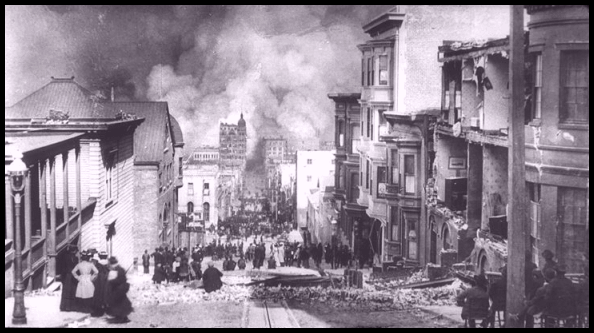
To get a better sense of the historical narratives that this account could encompass, I did some research on who De Laveaga was. My main source for this is a posted obituary for his death in 1995: http://www.sfgate.com/news/article/Edward-L-B-de-Laveaga-3044681.php
Historical Narratives told by this Account:
San Francisco Native: Born in San Francisco and attended Berkeley High School
Affluent Background: Scion of a notable family that owned land in seven California counties
Student: Attended UC Berkeley at the time, Class of 1908 but never graduated
Caucasian, Straight, Male: Married to Delight De Laveaga later in his life. Inferred to be racially white, or at least white passing, from this photo of his relatives: http://www.lamorindaweekly.com/archive/issue0409/images/0409-04212.jpg
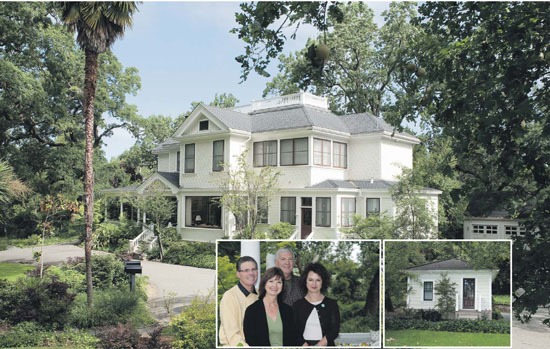
Since this is a personal account by De Laveaga, the primary narrative portrays the event from the perspective of a straight, Caucasian male with a long family history in the Bay Area who at that time was attending UC Berkeley. This then leaves out the perspectives of many others, especially as San Francisco which is known for its diversity, who inhabited San Francisco or was affected by the earthquake and the fire. Around that time, the census for San Francisco County (1910) included a total population of 416,912, with a non-white, minority population of 39,371. (Data from the Metropolitan Transportation Commission, a public governmental agency of the Bay Area: http://www.bayareacensus.ca.gov/counties/SanFranciscoCounty40.htm) This archive excludes narratives from a substantial amount of people from different ethnic backgrounds. As an example, the Chinese had a large presence at the time given the appeal of job opportunities due to the Gold Rush and railroad construction. Chinatown developed and sat atop valuable land that the government wanted back. As the fire left Chinatown destroyed, the entire population was displaced as the government army gathered them and moved them to segregated camps in the Presidio area.

Similar events unfolded for different racial backgrounds such as the Filipinos, Blacks, and Mexicans. Left out as well are the perspectives of those who come from financially unstable and disadvantaged backgrounds (poor, disabled, LGBTQ), oftentimes the ones most affected by the destruction of the San Francisco earthquake and fires. If this event was based entirely on this record alone, a large part of San Francisco history that has contributed to its current state would’ve been discounted.
To give a fuller picture of the earthquake and its aftermath, accounts of those minority and disadvantaged groups should be provided. This can be found on the National Park Service site which recounts the Chinese American experience of that time, or potential interviews done with those living in homeless shelters at the time, or even personal accounts from the sex workers of the Barbary Coast popular in the early 1900s. The 1906 Earthquake should be remembered from the many colorful and diverse perspectives that San Francisco is known for.
Hi,
As someone who also grew up around San Francisco, this post hits home as well. I too agree that other stories should have been provided with this narrative. Each and every person who was a victim of this tragic incident has an important story to share. I too agree that with just one person/ voice, we will not have a full picture of what really happened from this event. Thanks for this post.