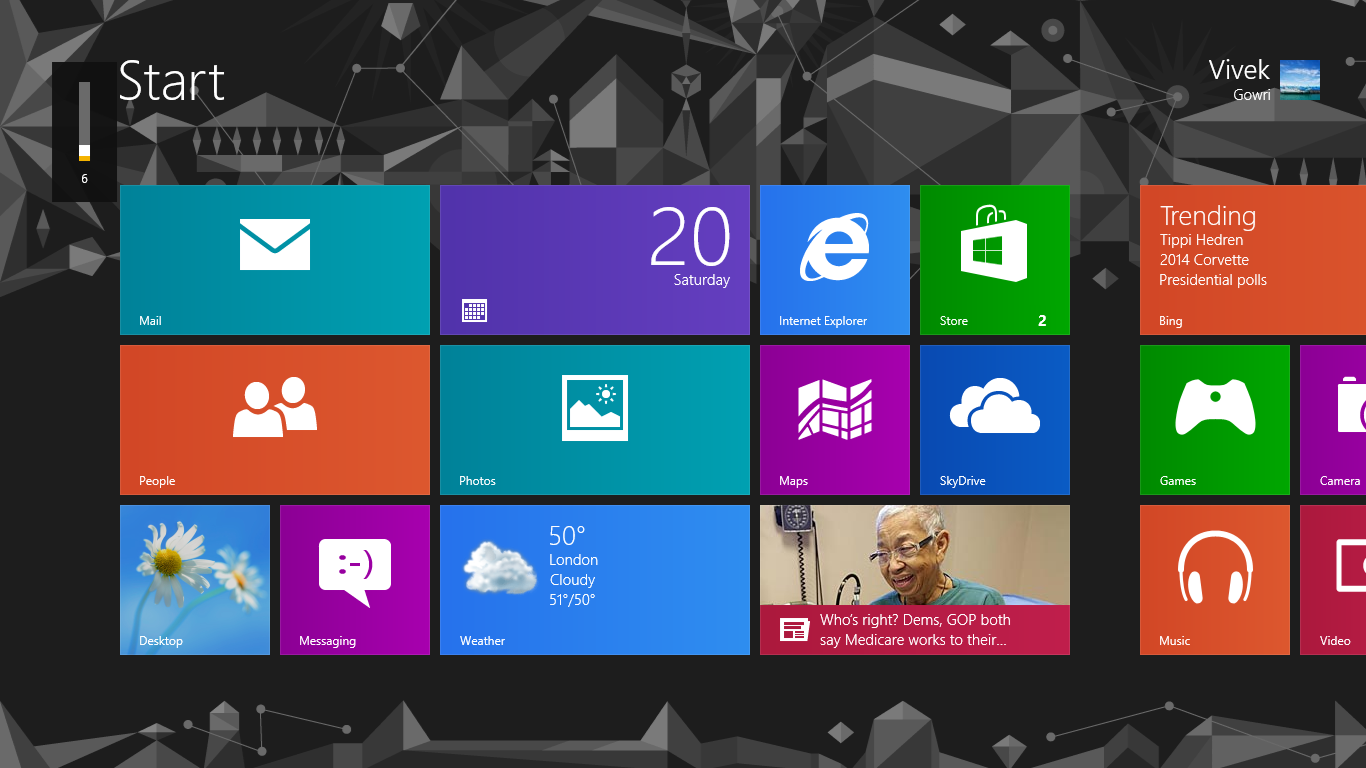
This week’s reading really hones in on the correlation of a simple digital interface with captivating its viewers. People love simple–this is why apps such as Instagram and Snapchat have done so well. I’m much more inclined to use an app or website that it is not too cluttered with ads or unnecessary add-ons. Jesse James Garrett describes the key aspects of a website layout—the surface, skeleton, structure, and scope. My cousin works for the NFL down in Culver City as a digital strategist consultant, and I’ve drove down to see exactly what he does a few times recently. He works on many of the topics brought up in Garrett’s “Elements of User Experience.” While corresponding with the digital departments of all of 32 teams, he helps improve the teams’ websites to raise the traffic and user engagement through changes in the skeleton and structure.
In a study done by Google in August 2012, it was revealed that users judge websites as aesthetically pleasing or not within 1/50th-1/20th of a second. The study also showed that websites deemed “visually complex” were rated significantly lower than their simpler counterparts. “Highly prototypical” sites, which had layouts that were commonly associated with sites of a similar category, had the highest ratings in the study. Another article I read by Thomas Walker was making the argument for why simpler is better. It also came with condensed instructions on how to make a simpler website that visitors will enjoy. He said to consider cognitive fluency, which says that the brain prefers to think about things that are easy to think about. This applies to a website because you should put place items where visitors have grown accustomed to finding them. When choosing images and inserting columns of texts, you should aim for one large one over a bunch of little ones. Something he said that really resonated with me was to not view your site “as a unique snowflake piece of art,” but instead a “composite of all the best stuff.” I’m going to be sure to forward this article to my project group so we can consider his tips when making decisions for our website regarding the Olympic Games. This week’s reading remind me of when I worked as a website administrator for a soccer club, I was told by my supervisor the acronym KISS. This stood for “Keep it simple, stupid,” and I’m planning on taking it to heart when working on our site.