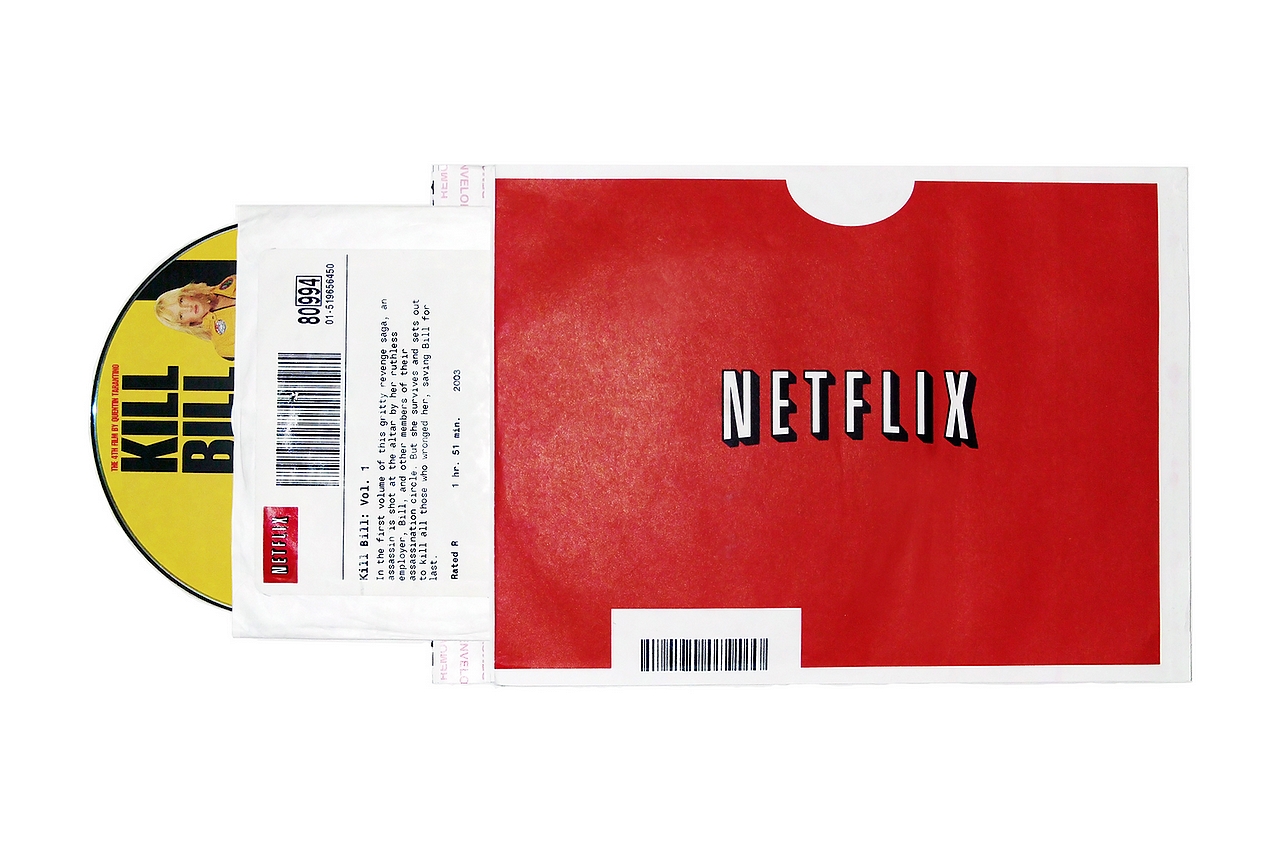
 Reading Alexis Madrigal’s article “How Netflix Reverse Engineered Hollywood,” really blew my mind. The amount of metadata which is created for every program on Netflix is simply astounding. Looking at the graphs provided, for most common “adjective” ect, brought me to think about the “new” direction of Netflix: Netflix not only a server/stream for content, but also as a platform for producing new content. Since 2012 with the release of the TV series Lillyhammer, Netflix has presented itself as a platform for releasing previously unseen content. Recently, there has been a lot of publicity about Netflix expanding to releasing first run movies as well.
The amount of news attention brought to Netflix’s original releases, as alluded to by the links above, is massive. A Google search for “Netflix Original Series,” produces articles from every major news publication. Almost all of these articles report with a sense of skepticism on Netflix’s expansion practice. All of this commotion and my newfound understanding of Netflix’s use of metadata, brought me to question how does Netflix decide what original content it will seek to produce. Netflix recently made a deal with Adam Sandler to produce 4 straight to Netflix movies. The article makes a simple assumption that the deal is based on the high traffic that Adam Sandler movies receive on Netflix. However, with knowledge of Netflix’s use of categorization, it seems that these deals are deeply rooted in Netflix’s highly complex classification system.
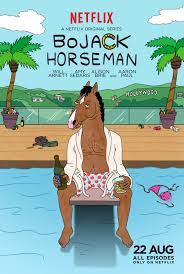
For instance, look at Netflix’s most recent Original Series release, Bojack Horseman. The cartoon series, which follows the adventures of an anthropomorphic washed-up 90s sitcom star, has been meet with mixed reviews. The reviews seem to fall into two camps: those who praise its undeniable influence by shows such as Bob’s Burgers, 30 Rock, and Archer to name a few and those who condemn the show for not inciting the viewer with anything particularly new. The resemblance of Bojack Horseman to other shows, which are very popular on Netflix, made me question the motives of producing this show. Bojack Horseman was renewed for a second season shortly after the first season was released, even with this noted mixed reviews. This is highly unusual in terms of show being renewed for another season, production is costly. Does this suggest viewing habits? Are people more inclined to watch something that falls into the same specific genre or are they repelled by this? I am curious as to how well Netflix can produce content to fit into its “viewer recommendations.” Whereas other shows, such as House of Cards and Orange is the New Black, have been highly successful, it feels like the jury is still out on if “Bojack” is able to establish itself as both a similar and a unique show.
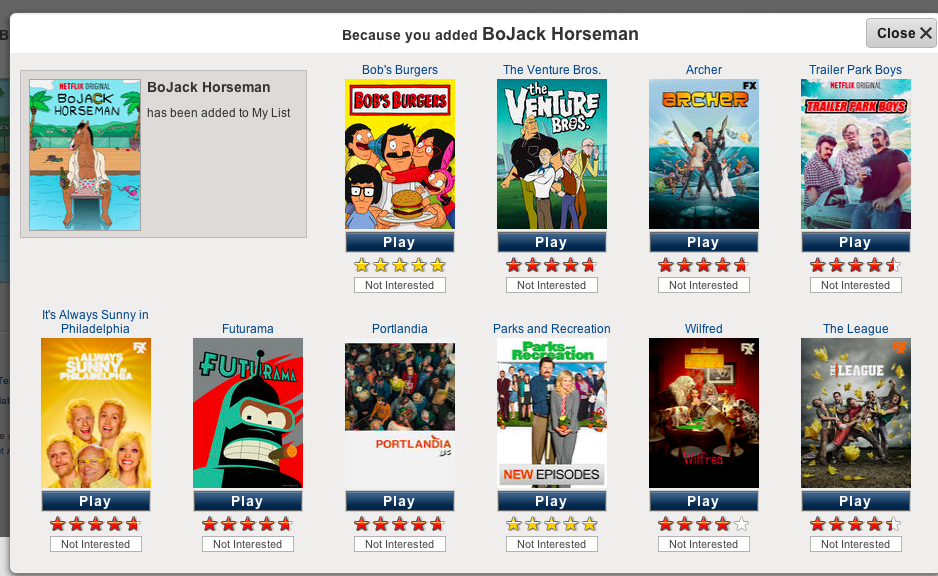
For this post I desperately wanted to get a screen shot, showing Bojack Horseman under a highly specified category with other similar shows. Of course, Murphy’s law hindered my search and the best I could get was without a specified classification. Thinking about Netflix after this article, makes me question when categorization gets too narrow. In the article, it is mentioned that often only a few films will exist in a highly specified classification. As humans seeking entertainment, do we want to stay exactly in the classification of the predessor or is the key to move a slightly different classification? (dark dramas about pigs as opposed to dark dramas about house pets for an obtuse example) Moreover, it brought up the question of what happens when the classifier (Netflix) produces its own content for the classification system? Can this be done without bias? Does bias of the information provider even matter? Does it jeopardize the efficiency of the system or does it make things easier to find? I guess in the case of Netflix, time will only tell.