I was really interested in this week’s piece on the “Eight Golden Rules of Interface Design” by Ben Schneiderman because of its explanation of what attributes generally make for a successful website. In these rules, Schneiderman explicitly details features like shortcuts, consistency, communication, and ease in relieving troubleshooting errors. As someone who is new to web building and design, some of these details were a little too technical for me to totally grasp. Technical terms and concepts aside however, I was very excited to notice Schneiderman’s repeated emphasis on the specific UI issues he pinpoints for the explicit purpose of making all aspects of the site cater to the user as much as possible. I read many of the DH 101 posts this week and enjoyed exploring the gorgeous, streamlined, unique websites that were shared. Perhaps most remarkable to me after exploring these sites was realizing the sheer amount of ease I had navigating each and every single one, despite my basic computer skills and lack of experience with each website. I had always wondered what kind of skills made for an enjoyable website and always imagined these skills being some kind of “coding superpower”, when in reality, as this week’s reading demonstrates, a website’s success is more so ultimately dependent on its creator’s attention to his/her audience. (After all, what good is a website if no one can figure out how use it?)
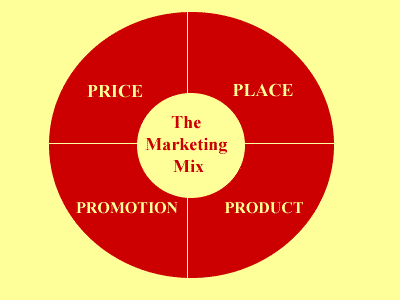
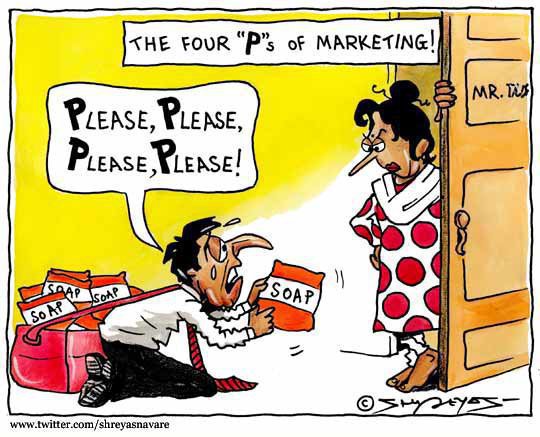
These stipulations and their overall focus on the end-user and their experience of a site struck me as an extension of the more broad principles dictating marketing strategy. Called the “4 P’s (Principles) of Marketing”, these principles broadly dictate a marketing strategy as built upon product, price, placement, and promotion. Thus, in order for a marketing strategy to be successful, it must acknowledge and make clear to its customer base the product involved, the price of the product must be clear and competitive, the placement of the product that will allow the customer access to it, and the promotion of the product to inform the audience of all these details. While all of these details, when delved into, are incredibly technical, these rules, like those delineated by Schneiderman, are overwhelmingly customer-centric. A product is only as useful as it is useable by its customer, as it is affordable it its consumer, as its is available to its consumer, and as it is acknowledged and understood by its consumer. As a fellow consumer of products and services, whether it be a chocolate bar or a website, it is certainly incredibly comforting to know that these products and services are invested in making these products and services for its consumer and, more importantly, that these products and services are only as successful as they are invested in their consumer.
Schneiderman’s article: http://faculty.washington.edu/jtenenbg/courses/360/f04/sessions/schneidermanGoldenRules.html
Marketing Mix: http://www.3msage.com/?p=197