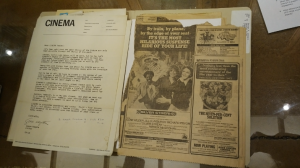
In this week’s readings, we discussed the idea of materiality, the role and experience of objects and whether or not museums still need objects. After handling the objects from the George P. Johnson collection, I believe that the objects would be necessary in informing, highlighting and creating a narrative of “Negroes in film.” I believe that the materiality of these objects, both physical (physical, material aspect of the object) and non-physical (aura, imagination or form), affected the importance and unique quality of the objects. Reading about what was collected in the finding aid did not produce the same reaction or understanding of the collection of those objects as the physical interactions with them had. Seeing, handling and reading these items allowed us to be delighted and surprised by what we would find. I had felt like I traveled back in time to follow his journey of collecting and documenting these items. I remember thinking to myself about how cool it was to be in the same room, reading and touching the objects of a collection we had read about. I could not imagine the same excitement over the content without experiencing it with our own eyes and hands.
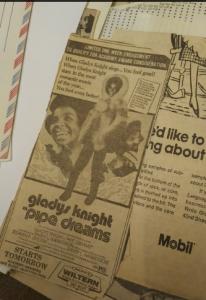
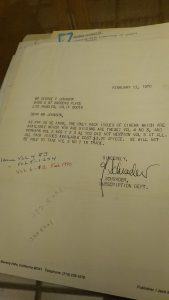
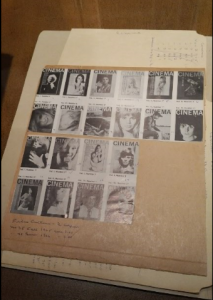
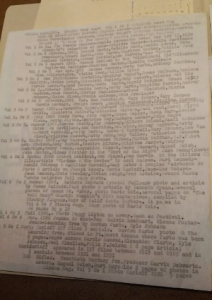
We were able to handle the physical artifacts in Box 53 of the George P. Johnson Collection. My groupmates and I looked at the items that were in the Negro Film Collection 1885-1977. We thought that we would handle many of the original documents but were surprised to find catalogs, handwritten notes, typed-catalogs and It contained detailed catalogs of Cinema magazines, catalogs of the publication of Avant Garde, images of various Cinema magazine volumes as well as letter correspondence between George P. Johnson and Cinema magazines. The catalog that he kept of the magazine issues included information on the price of the volume, who was on the cover, major articles written and special notes on any articles and images of African Americans in entertainment. He also included newspaper advertisements that featured African American actors, performers, entertainers and those in the entertainment industry. These documents were meant for the public and captured not just moments, but African American achievements. These were special collections of newsworthy accomplishments that also documented the African American experience in film and television. Below, I have included a few of the photos I took of the newspaper clippings, letters and other items we examined.