
I chose to take a trip to The Animal Museum in the Arts District of Downtown LA for my site visit. I was drawn towards this museum because I read about their technology-based exhibition, Entangled, and was curious to see how a new museum in LA is attracting visitors. I was also excited about their dedication to the protection of animals and the emphasis on the relationship between humans and animals/the planet. Entangled focuses on pollution in the ocean and its negative effect on marine life. It features LED illuminated sculptures, photography, and a room with 360-degree video projections of debris in the ocean.
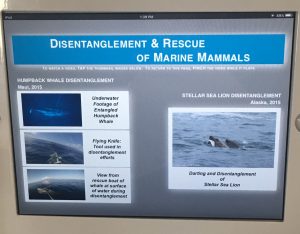
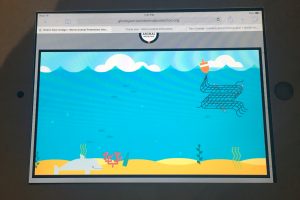
In addition to their technology-based artworks, The Animal Museum utilizes iPad technology in the space before entering the exhibition. One iPad features a game from the website of the World Animal Protection, a partner in this exhibition. The game places the viewer in the position of a dolphin in the ocean, and requires you to avoid the ghost gear in the water by tapping or swiping up on the screen. Another iPad had a selection of videos about the rescue and disentanglement of marine mammals (such as humpback whales). The thumbnails of the videos give the viewer the choice to select a video, and it allows you to pinch the screen to return to the video choices. I thought this was a very innovative way to include video in this context because it gives the viewer power in what they see and activates a higher level of interest in the exhibition. I noticed more people stopping by this station out of curiosity more than anything, and browsing through the videos on their own. The iPad format of videos gives the control back to the visitors, and allows one to choose what they see and when they see it. On the opposite wall, there was a combination of television monitors and wall text, which was above the iPad game station.
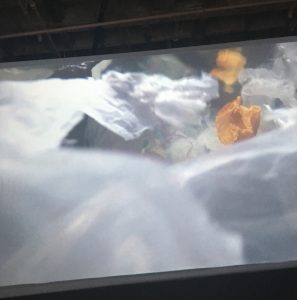
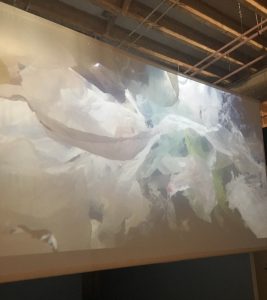
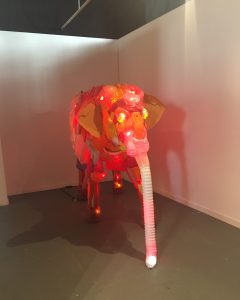
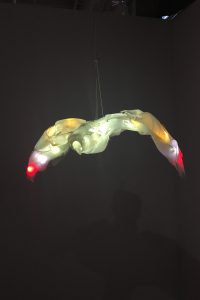
The technology in the artworks included photography on the exhibition walls, LED lights in the animal sculptures created out of plastic, and the 360-degree video that places the viewer in the midst of a debris-filled ocean. The immersive experience of the 360-degree video places an emphasis on confusion as the debris on the screen blurs and swirls around. Underwater noises accompany the visual experience. The physical space requires movement around the projection screens, and delivers an uncomfortable realization that in this space, you feel the chaos marine life experiences.
I found it interesting that visitors spent the most time at the stations before the video projection, with the videos and games. I thought that most people would ignore (or at least spend less time with) the wall text and other objects, but the interactive iPads captured the attention of many families. The Animal Museum is also a more casual and open space, without the feeling you are being watched or surveilled, which probably contributed to this feeling of creativity and wonder. Also, the video projection has a quality that none of the other objects in the museum do, in its ability to physically surround you with the result of human action. It brings a feeling of discomfort and guilt, while at the same time causing a re-evaluation of priorities and raises the question of, are we really comfortable with treating our planet so poorly?
Wow, I hadn’t heard of this museum! But I definitely have to check it out. It makes sense that the technology sort of becomes the focus of this museum, since of course their main subject — animals — can’t be on display.
I love the way that this museum uses the 360-degree video to really immerse the viewer in a situation that they would probably otherwise never be in! I’m really excited to see the way 360-degree and virtual reality technology develops its ability to put people in different perspectives, and allows them to see or experience something completely new. This museum sounds super cool and I would love to check it out, thanks for introducing it!
What a great post and a very interesting museum! I am really intrigued about the 360 immersive installation, since my post talked about 360 filming within a museum space. Was it projected in a round room? Sharing the immersive experience has been a catch for me because people have to have an app that will allow them show it on a particular ipad or phone. For a immersive effect, people need google cardboard or some other kind of headset. This sounds like it was a room installation that set you in the center of it, which I’ve heard of, but has been utilized less than you would expect. Sounds like they hit it out of the park in terms of the combination of compelling subject matter, technology, and space. Thanks for sharing!
Thank you for introducing such a cool museum! The 360-degree video projections sounds really impressive, and I wish to visit and experience the technology myself one day. The curators’ utilization of iPads also interests me: compared to specifically designed exhibition contents, does codding in the iPad offer superior flexibility? How would it affect the budget of the museum in the long run? Most importantly, how well do they fit into the theme and if they are delivering the information effectively.